
Senior Care (Geriatric Home Care) - Pepi Granat, MD
senior care
Senior Care (Geriatric Home Care) — Specialized Home-Based Medicine for Older Adults
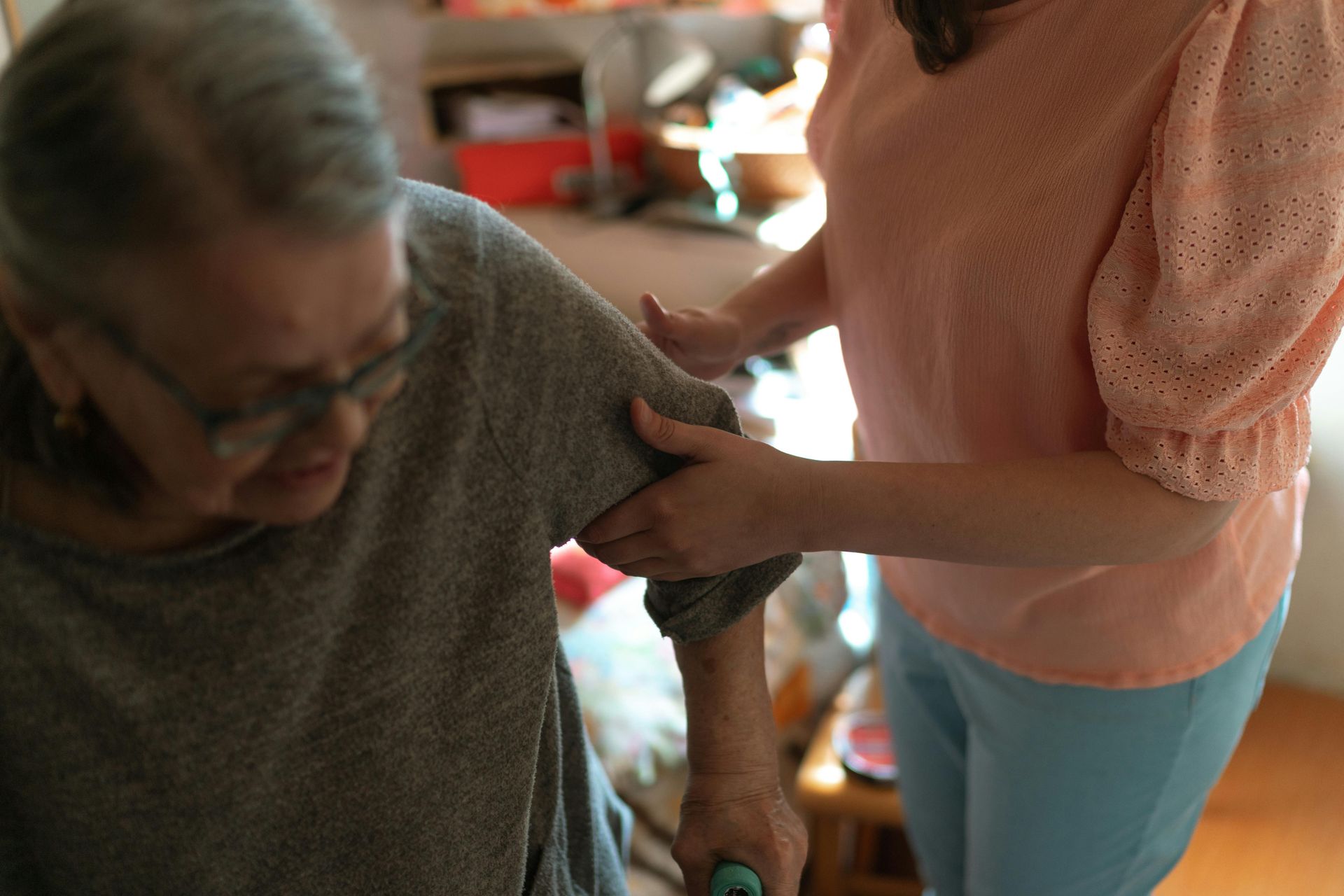
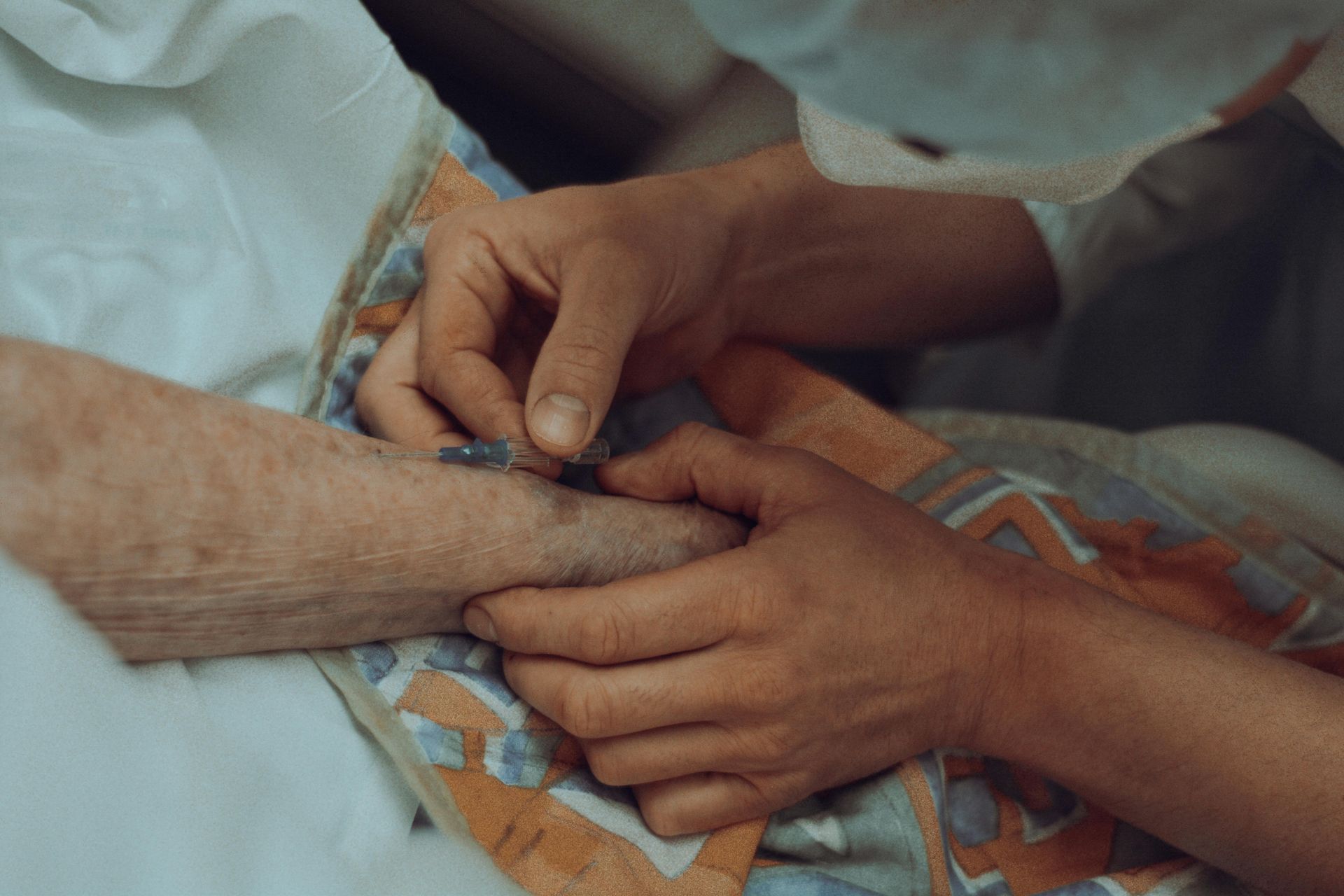
Caring for older adults requires specialized knowledge, a holistic approach, and sensitivity to the unique challenges of aging. Pepi Granat, MD provides comprehensive geriatric home care throughout Greater Miami, Homestead, and through the Lower Keys, focusing on maintaining independence, preventing complications, and coordinating supportive services. Our geriatric approach integrates medical assessment, functional evaluation, caregiver support, and care planning — delivered in the patient’s home, where real-life challenges and strengths are visible.
geriatic
Why geriatric home care matters
Elderly patients often face multiple chronic conditions, mobility limitations, cognitive changes, and social determinants that affect health outcomes. Geriatric home care matters because it provides context-sensitive assessments that account for the patient’s daily routines, medication management practices, nutrition, fall risks, and caregiver dynamics. Home-based geriatric care reduces hospitalizations, identifies safety risks early, and offers compassionate, individualized strategies to enhance quality of life.
Key benefits of geriatric home care
Comprehensive assessment
We evaluate physical, cognitive, emotional, and social domains.
Fall prevention and safety
In-home assessments identify hazards and recommend interventions.
Polypharmacy management
Medication reconciliation mitigates risk of adverse drug events.
Caregiver education
We support families and caregivers with clear instructions and resources.
Coordinated services
We connect patients to home health, physical therapy, community services, and durable medical equipment.
Personalized care plans
Goals are aligned with patient priorities — independence, comfort, or transitional care as needed.
Components of a
geriatric home visit

1) Comprehensive geriatric assessment (CGA)
- Medical history review and medication reconciliation
- Functional assessment (ADLs and IADLs — activities of daily living)
- Cognitive screening (e.g., memory, orientation)
- Mood and mental health screening (depression, anxiety)
- Social supports and caregiver capacity assessment
- Home safety and fall risk evaluation
2) Medication management and deprescribing
- Review of all prescription and over-the-counter medications, supplements, and herbal products
- Evaluation for interactions, duplications, and inappropriate medications for older adults
- Deprescribing plans when benefits no longer outweigh risks
3) Fall risk mitigation and mobility support
- Assessment of gait, balance, and assistive device use
- Home modifications and environmental recommendations (lighting, rugs, grab bars)
- Coordination with physical and occupational therapy for strength and balance programs
4) Cognitive and behavioral management
- Initial cognitive screening and monitoring
- Behavioral symptom management and support for caregivers
- Referrals to neurology or memory clinics when indicated
5) Advanced care planning and goals of care
- Conversations about patient values, treatment preferences, and advanced directives
- Documentation of goals and coordination with family and legal decision-makers
- Palliative care referrals when appropriate to focus on symptom relief and quality of life
6) Coordination with community resources and support services
- Home health agencies, hospice care, durable medical equipment providers
- Meals-on-wheels, social work, transportation assistance
- Support groups and caregiver resources
Why in-home geriatric care improves outcomes
Contextual insights
Observing medication storage, daily routines, and mobility patterns yields actionable interventions.
Early identification of decline
Functional or cognitive changes are easier to detect at home and prompt early intervention.
Reduced fragmentation
Direct communication with caregivers and home health reduces gaps in treatment and improves adherence.
Prevention of institutionalization
With appropriate supports, many seniors maintain independence longer at home.

Examples of typical geriatric visit goals
- Reduce fall risk through home modifications and a physical therapy referral
- Simplify medication regimens to reduce confusion and adverse effects
- Initiate or adjust treatments for chronic heart failure, COPD, or diabetes to improve function
- Perform cognitive screening, provide family counseling, and plan for monitoring
- Coordinate post-hospital transitions with home health to prevent readmission
Family and
caregiver engagement
We involve family and caregivers in planning and education, with patient consent. Clear written instructions, safe medication lists, and emergency plans are standard. We provide practical strategies for caregivers to support daily routines, ensure medication adherence, and manage behavioral symptoms.
Insurance and
payment considerations
Geriatric home visits may be covered in part by Medicare or other insurers depending on specific plan criteria. We work with families to verify coverage, explain expected costs, and provide documentation needed for home health or hospice referrals.
Selected FAQs —
Senior Care (Geriatric Home Care)
What is a comprehensive geriatric assessment?
A comprehensive geriatric assessment evaluates medical, cognitive, functional, psychological, and social aspects of an older adult’s health. It helps create a coordinated care plan to improve outcomes and quality of life.
How do you help reduce fall risk?
We perform a home safety assessment, evaluate mobility and balance, review medications that increase fall risk, recommend environmental modifications (lighting, non-slip mats, grab bars), and coordinate physical therapy or assistive devices as needed.
Can you help with advanced care planning?
Yes. We facilitate conversations about goals of care, document advanced directives, and coordinate palliative or hospice referrals as appropriate to align care with patient values.
Will you coordinate with home health or hospice agencies?
Absolutely. We work closely with home health, home infusion, and hospice teams to ensure coordinated care and clear communication across services.
Contact and scheduling
For geriatric home care consultations or to schedule a comprehensive assessment, call (305) 661-7609. We prioritize older adults who need thorough, respectful, and evidence-based care at home.
Pepi Granat, MD is dedicated to helping older adults maintain dignity, safety, and independence through personalized geriatric care delivered at home.