
Post-Hospital Home Visits - Pepi Granat, MD
home visits
Post‑Hospital Home Visits — Transitional Care to Prevent Readmission and Promote Recovery
The transition from hospital to home is a vulnerable period. Post-hospital home visits are designed to support a safe recovery, help prevent complications, and assist patients as they resume daily life. Pepi Granat, MD provides timely, evidence-based post-discharge visits throughout Greater Miami, Homestead, and through the Lower Keys — focusing on medication reconciliation, wound care, functional assessment, and coordination with home health services.
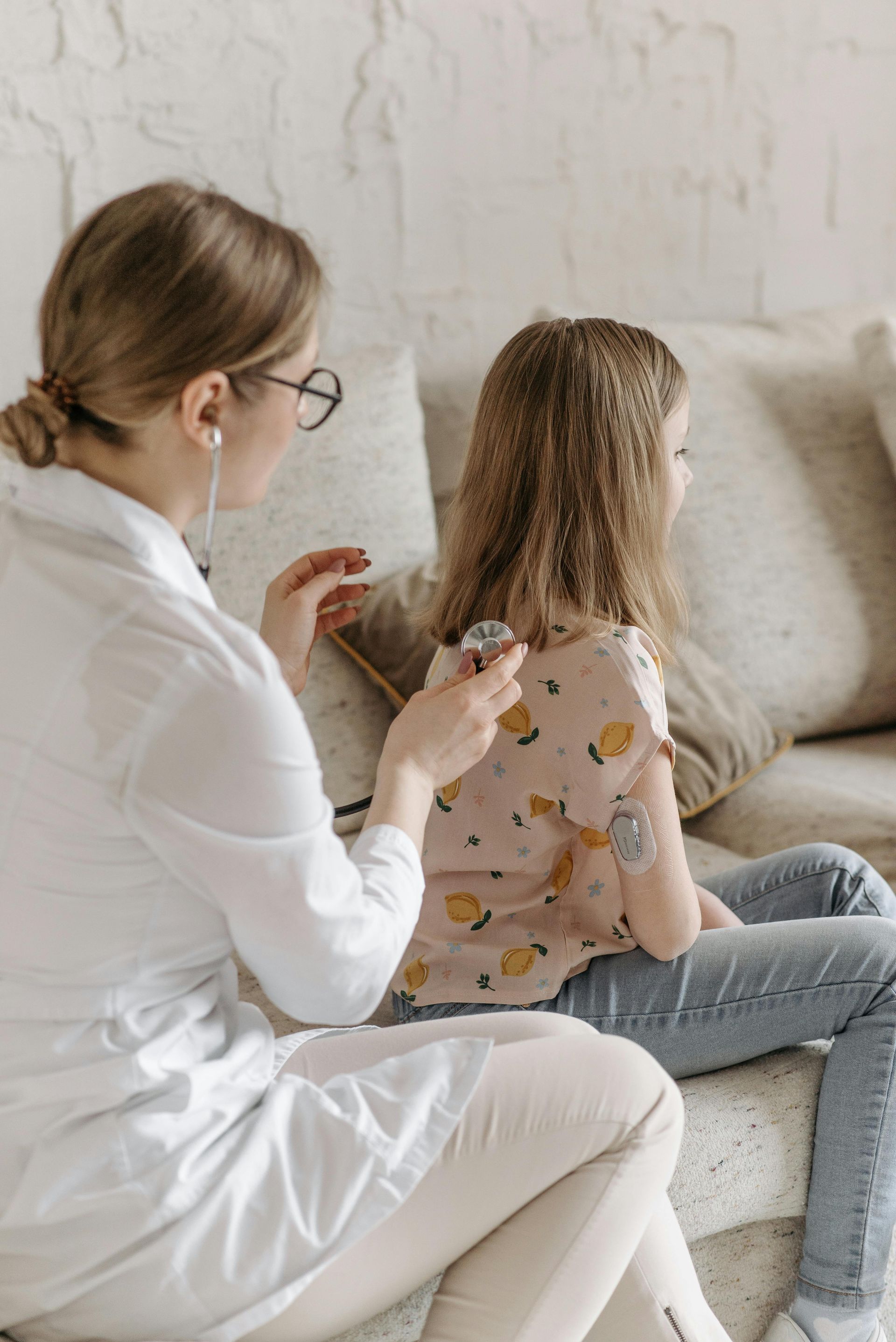

post-hospital
Why post-hospital home visits matter
Research shows that timely follow-up after hospital discharge reduces readmission rates, improves medication safety, and detects complications early. Many adverse events after discharge result from incomplete medication reconciliation, poor understanding of discharge instructions, or lack of coordination with supportive services. By visiting patients at home shortly after discharge, we can identify and address these gaps proactively.
Key benefits of
post-hospital visits
- Early medication reconciliation to prevent adverse drug events
- Wound and incision checks that reduce infection risk
- Assessment of functional status and home environment after hospitalization
- Coordination with home health, therapists, and durable medical equipment providers
- Reduced risk of readmission through timely identification and intervention
- Clear communication to patients, caregivers, and the hospital care team
Typical timing and priorities for
post-hospital home visits
- Timing: Ideally within 24–72 hours after discharge, depending on clinical urgency and patient need.
- Priorities: Review and reconcile medications, comparing pre-hospital and discharge lists
- Evaluate wounds, drains, or surgical sites
- Assess for symptoms that suggest infection, fluid overload, or uncontrolled pain
- Check oxygen needs, mobility, and the need for assistive devices
- Confirm scheduled outpatient appointments and clarify next steps
What a post-hospital
visit includes

1) Medication reconciliation and education
- Compare the discharge medication list with what the patient actually takes
- Identify duplications, omissions, and potential interactions
- Provide a simplified medication schedule and counseling for adherence
2) Wound and incision care
- Inspect surgical sites for signs of infection
- Change dressings and provide wound care instructions
- Coordinate with home health for ongoing wound nursing if necessary
3) Functional and safety assessment
- Evaluate the patient’s ability to perform daily activities (ADLs)
- Recommend environmental modifications to reduce fall risk and promote independence
- Arrange for physical or occupational therapy when indicated
4) Symptom assessment and management
- Address pain control, shortness of breath, dizziness, or other concerning symptoms
- Initiate or adjust medications as appropriate
- Determine need for urgent interventions or hospitalization
5) Coordination with home services and follow-up planning
- Ensure home health, infusion therapy, or equipment orders are implemented
- Verify outpatient specialty appointments and arrange transportation if needed
- Schedule follow-up visits or telehealth check-ins
Clinical scenarios where post-hospital visits are critical
- Patients recently discharged after heart failure exacerbation needing medication titration and fluid status checks
- Post-operative patients who require wound checks and pain management
- Individuals discharged after pneumonia or sepsis who still need monitoring for recurrent infection
- Patients with complex medication changes after discharge
Why early intervention reduces readmissions
- Medication errors are a common cause of readmissions. Correcting discrepancies early reduces adverse events.
- Early detection of wound infections or signs of heart failure prevents escalation to hospitalization.
- Clarifying discharge instructions and setting achievable recovery goals improves adherence and outcomes.
- Coordinated follow-up ensures that necessary therapies and equipment are in place.
Measuring success and outcomes
We evaluate the effectiveness of post-hospital visits by tracking readmission rates, patient satisfaction, medication reconciliation success, and timely initiation of home services. Our goal is measurable improvement: fewer readmissions, improved symptom control, and better functional recovery.
How we work with hospitals and home health
We maintain channels of communication with area hospitals and home health agencies. With patient consent, we receive discharge summaries and orders, implement transition plans, and report back key findings. When home health is needed for nursing visits, IV antibiotics, or therapy, we coordinate referrals and ensure care continuity.
Selected FAQs —
Post-Hospital Home Visits
When should a post-hospital visit be scheduled?
Ideally within 24–72 hours after discharge for many conditions. For high-risk discharges, we triage for earlier visits. Call (305) 661-7609 to arrange a timely visit and inform us of the discharge details.
Will you change my medications after discharge?
Medication adjustments may be necessary and are done carefully based on clinical needs. We reconcile medications, explain changes, and coordinate with specialists and the discharging facility.
What if I need wound care or IV antibiotics at home?
We coordinate with home health agencies that provide skilled nursing for wound care and IV therapy. We facilitate referrals and follow-up to ensure continuity of care.
Does insurance cover post-hospital visits?
Many insurers and Medicare recognize transitional care services. Coverage varies, so we verify benefits and help navigate coverage questions.
Contact and next steps
To schedule a post-hospital home visit or plan transitional care after discharge, call (305) 661-7609. Provide discharge paperwork and a list of current medications for efficient reconciliation.
Pepi Granat, MD supports safe, coordinated recovery after hospital stays — helping patients return home with confidence and clear support.